
Winter appliance problems in Klamath County Homes are commonly caused by freezing temperatures that affect water lines, hoses, valves, and other critical appliance components. Understanding how cold weather impacts your washing machine, dishwasher, refrigerator, and freezer can help you prevent expensive repairs and keep your appliances operating efficiently throughout the winter season.
If your appliances have started acting up since the temperature dropped, cold weather is very likely the reason, and catching the problem early can save you from a much bigger repair.
Why Klamath County Winters Are Especially Hard on Appliances
Klamath Falls has a distinct climate compared to the rest of Oregon. While cities along the I-5 corridor deal with heavy rain, Klamath Falls sees the opposite: dry summers followed by cold, snowy winters, with most of its precipitation falling as snow between November and February. Average winter highs sit in the low 40s, but overnight lows regularly dip into the 20s, and subzero readings occur nearly every year across the county.
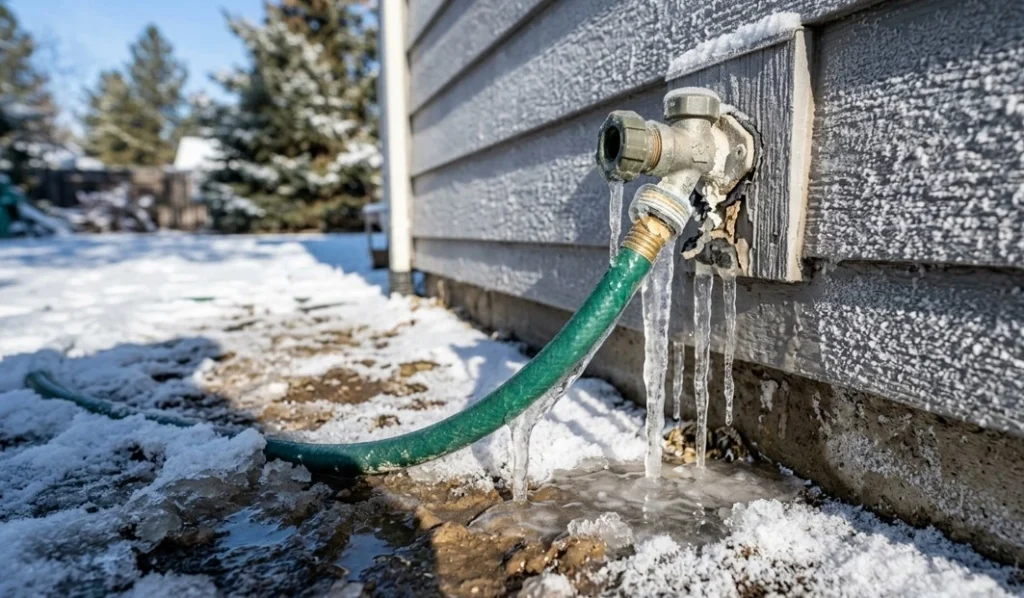
That combination of elevation, dry cold air, and periodic winter storms means homes here deal with more freeze and thaw cycles than milder parts of the state. Every time water inside a hose or valve freezes and then thaws, it puts stress on seals and connections that were never built to handle that kind of repeated expansion. Over a full winter season, this cycle is what causes most of the appliance failures technicians see this time of year.
Common Winter Appliance Problems in Klamath County Homes
Washing Machines With Frozen Hoses and Valves
Washing machines are among the most common cold weather casualties, especially units installed in garages, basements, or laundry rooms along an exterior wall. When water sits in the intake hose or pump after a cycle, it can freeze solid, expand, and crack the water inlet valve. The damage often isn’t obvious until the ice thaws, and you’re left with a leak or a machine that won’t fill properly. If you’re noticing low water flow or leaks after a cold snap, it’s worth having a look at our washing machine repair page for common signs to watch for.
Dishwashers That Won’t Fill or Clean Properly
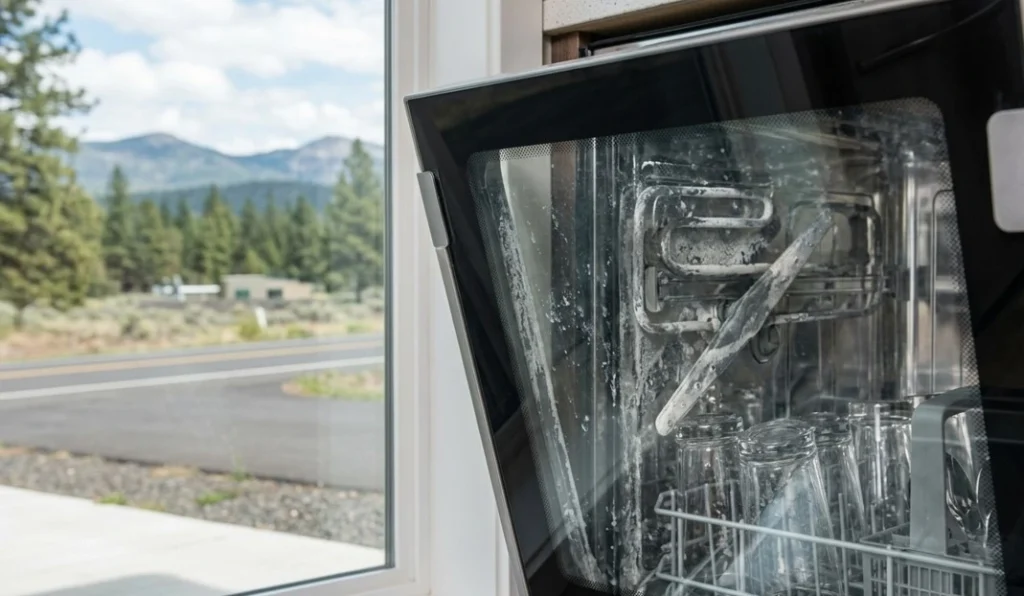
Dishwashers rely on a steady flow of hot water, and if the supply line running to the unit passes through an unheated space, freezing can restrict or completely block that flow. This often shows up as dishes coming out dirty, cycles that seem to skip steps, or the dishwasher failing to start at all. A dishwasher repair technician can usually tell quickly whether the issue is a frozen line or an unrelated mechanical fault.
Refrigerators and Freezers Struggling in Garages
A lot of Klamath County homeowners keep a second refrigerator or standalone freezer in the garage, and this is exactly where winter causes the most confusion. Most refrigerators are designed to operate within a specific ambient temperature range, and once the surrounding air drops much below that range, the compressor can struggle to regulate properly. This sometimes results in food in the fridge section freezing unexpectedly, since the unit’s internal sensors are reading the cold garage air rather than the actual temperature inside the appliance. If your garage refrigerator has been acting unpredictably this winter, our refrigerator repair page covers the signs that point to a genuine mechanical issue versus a temperature related one.
Ice Makers and Water Dispensers With Frozen Lines
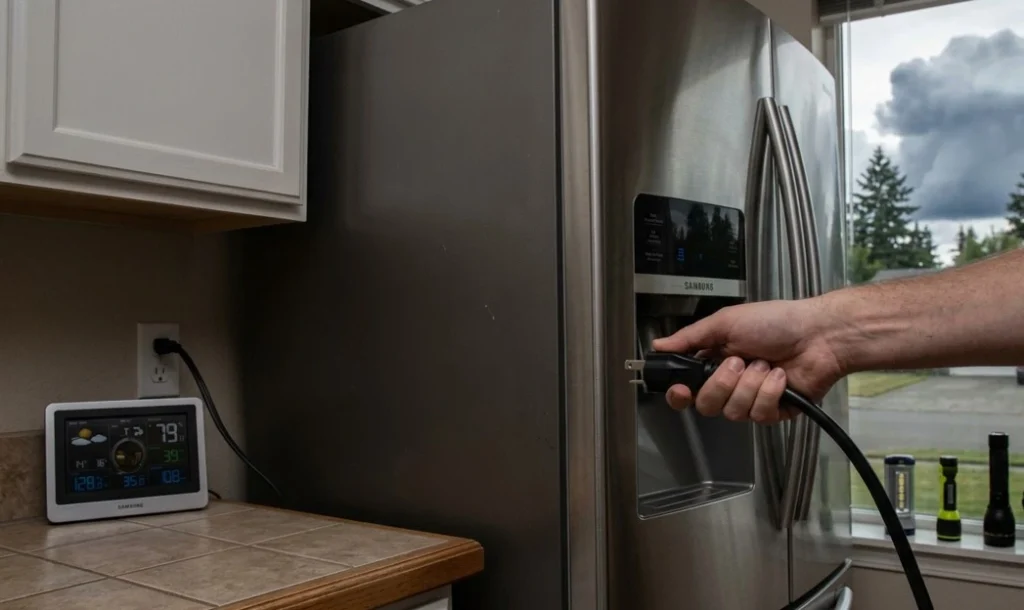
Refrigerators with built-in ice makers or water dispensers have a thin water line running to them, and this line is often more exposed than people realize, particularly if it runs along an exterior wall or through an unheated space. When that line freezes, you’ll typically notice slowed or stopped ice production first, followed by leaking once temperatures rise again and the ice inside the line thaws.
Garbage Disposals Jammed by Cold
Garbage disposals themselves aren’t directly affected by freezing water lines the way washers and dishwashers are, but cold temperatures can make the rubber components inside stiffer and more prone to jamming, especially in disposals installed under sinks along exterior walls. A disposal that hums but won’t spin during a cold snap is often just stiff from the cold rather than mechanically broken.
Ovens and Ranges With Gas Supply Sensitivity
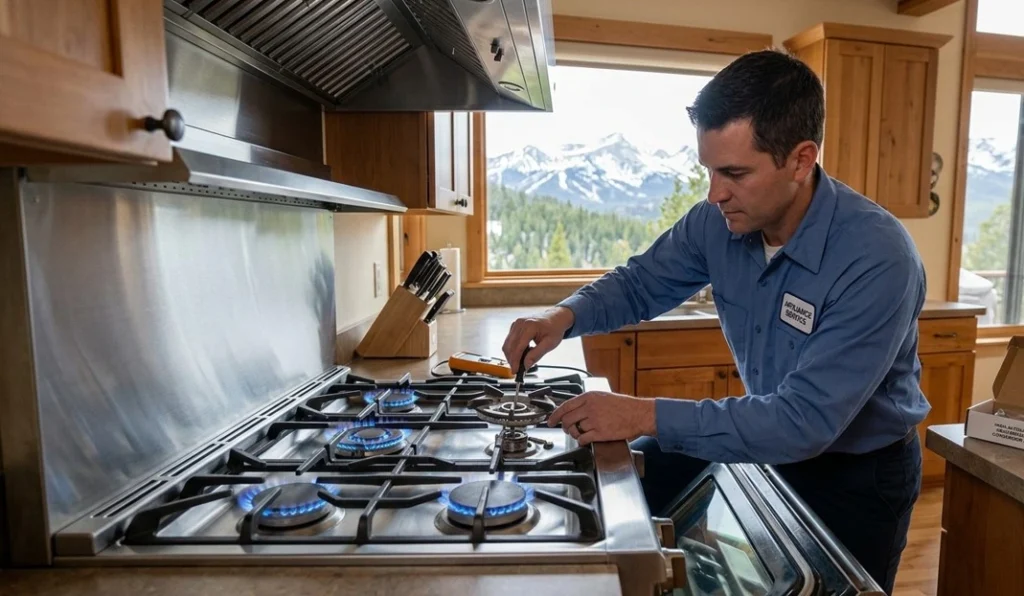
Gas ranges can occasionally show slower ignition or a weaker flame during extreme cold, particularly with older units, since colder outdoor temperatures can slightly affect gas pressure and flow through outdoor supply lines. This is less common than the water-related issues above, but it’s worth mentioning to your technician if you notice inconsistent flame strength only during the coldest weeks of the year.
Warning Signs Your Appliances Are Struggling With the Cold
- Water pooling around the base of a washing machine or dishwasher after a freeze
- A refrigerator or freezer in the garage cycling on and off more frequently than usual
- Ice maker production slowing down or stopping entirely
- Clunking, banging, or unusual noises during a wash or dishwasher cycle
- Dishes or laundry coming out with reduced cleaning performance during cold weeks
If you notice any of these signs, it’s worth checking the appliance before running another full cycle, since continuing to use a unit with a frozen or partially frozen line can turn a minor issue into a cracked valve or a flooded floor.
Simple Ways to Protect Your Appliances This Winter
A few precautions go a long way in a climate like ours. Disconnecting washing machine hoses and draining them when the machine won’t be used for an extended period prevents standing water from freezing inside. Wrapping exposed hoses and supply lines with pipe insulation is inexpensive and effective, particularly for appliances in garages or basements. Keeping garage temperatures above freezing, even with just a small space heater on especially cold nights, protects both the refrigerator’s compressor and any water lines running to it. Finally, scheduling a quick inspection before the coldest part of winter sets in can catch a weak hose or aging valve before it fails during a storm.
Frequently Asked Questions
How cold does it typically get in Klamath County during winter?
Average winter highs run in the low 40s, but overnight lows commonly fall into the low 20s, and the region sees periods of subzero temperatures in most years, particularly during winter storm events.
Can a frozen washing machine hose cause permanent damage?
Yes. As water freezes inside a hose or valve, it expands and can crack the plastic or rubber components, which often leads to leaking once the ice thaws, even if the machine seems to run normally at first.
Should I keep a garage refrigerator running all winter in Klamath Falls?
It depends on the model and how cold the garage gets. Many refrigerators struggle to regulate temperature correctly once ambient temperatures drop too low, so if you notice food freezing unexpectedly or inconsistent cooling, it’s worth having the unit checked rather than assuming it will resolve on its own.
What should I do if I find a frozen line leading to an appliance?
Shut off the water supply to that appliance right away and avoid running the unit until the line has thawed and been checked for cracks. Applying gentle, gradual heat is safer than using anything hot enough to damage the surrounding materials.
If cold weather has your appliances acting up, our technicians can quickly determine whether you’re dealing with a frozen line, a failing valve, or something unrelated to the season. Contact us for an upfront estimate before the next cold snap turns a small issue into a bigger repair.
Sources: Klamath County Emergency Management, Winter Storms, Weather Spark climate data for Klamath Falls, Choose Klamath regional climate overview, U.S. Department of Energy winter home preparedness guidance
Pingback: Samsung Refrigerator Ice Maker Freezing Up in Klamath Falls
Pingback: How Long Should a Refrigerator Last? Lifespan by Brand
Pingback: How to Choose an Appliance Repair Company: Questions to Ask - appliancerepairklamathfalls.com