Preparing your home before freezing temperatures arrive can help you avoid costly appliance breakdowns during the coldest months of the year. This Appliance Repair Checklist Before Winter in Klamath County covers the essential maintenance tasks homeowners should complete before winter, from inspecting washing machine hoses and cleaning refrigerator coils to checking dryer vents and testing gas appliances. Following this seasonal checklist can improve appliance efficiency, reduce emergency repairs, and keep your home running smoothly throughout Klamath County’s harsh winter weather.
The most important appliance checks before winter in Klamath County are inspecting washing machine hoses for cracks, cleaning refrigerator coils, testing dryer vents for lint buildup, and confirming gas ranges and water heaters are burning efficiently before the coldest months arrive. With Klamath County regularly seeing subzero temperatures, heavy snow, and storm related power outages between November and February, a short pre winter checklist can prevent the most common and most expensive appliance failures technicians see every year.
If you haven’t had your appliances checked since last winter, going through this list now, before the first hard freeze, is worth the hour it takes.
Why This Matters More Here Than in Most of Oregon
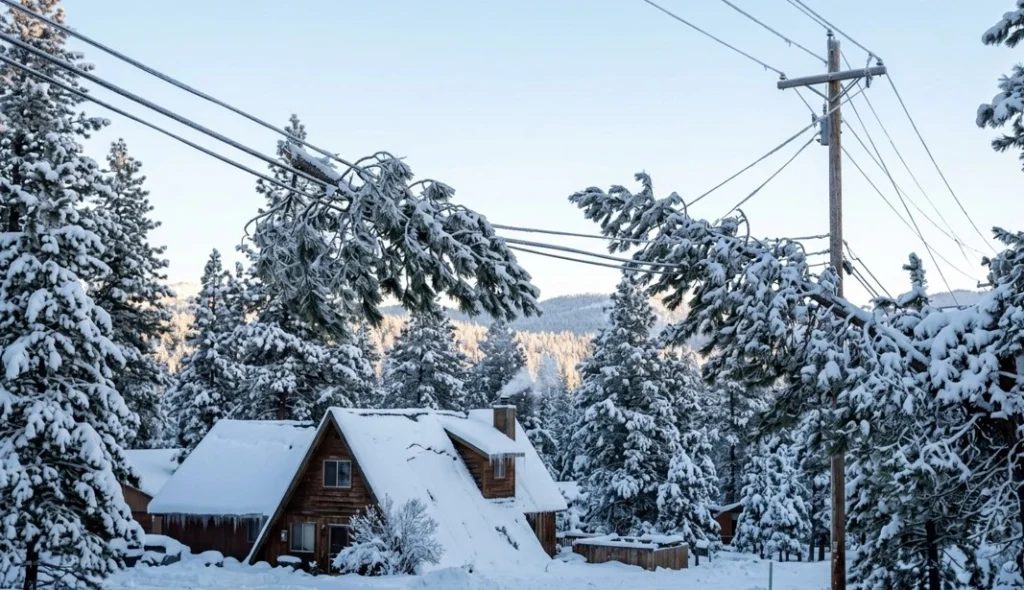
Klamath County sits at over 4,100 feet in elevation with a genuinely different winter than the rest of the state. Snowfall accumulation on power lines and falling tree limbs are consistently the leading causes of local outages, and overnight lows regularly fall into the low 20s with subzero readings most years. That combination of elevation, dry cold air, and storm related power interruptions puts more stress on appliances here than in milder, wetter parts of Oregon, which is exactly why a dedicated pre winter checklist matters more in this region than almost anywhere else in the state.
The Pre Winter Appliance Checklist
1. Inspect and Disconnect Washing Machine Hoses
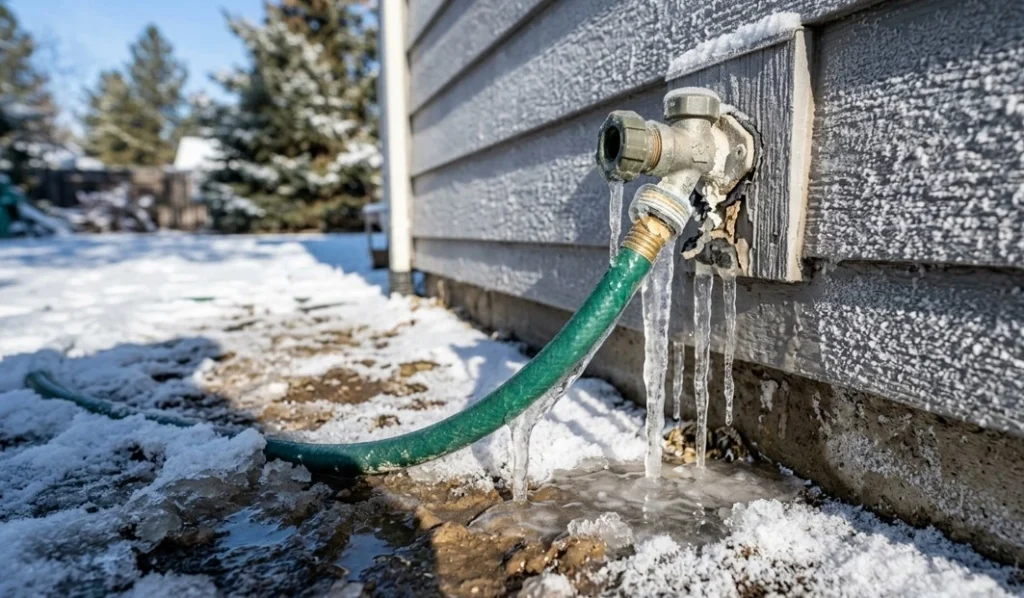
Check both hoses for cracking, bulging, or brittle spots, since these are the most common failure point once temperatures drop. If the washing machine sits in a garage, basement, or any unheated space, disconnecting and draining the hoses when the machine won’t be used for an extended stretch prevents standing water from freezing and cracking the valve. Our washing machine repair page covers the specific warning signs of a hose or valve that’s already been damaged by a previous freeze.
2. Clean Refrigerator Coils and Check Garage Units
Dust and debris on condenser coils force the compressor to work harder regardless of season, but this becomes especially important heading into winter, when a garage refrigerator or freezer is already fighting cold ambient air that can confuse its internal thermostat. Cleaning the coils now and confirming the unit is cycling normally before the coldest weeks arrive can prevent a frustrating and preventable failure. Our refrigerator repair page walks through the signs of a garage unit that’s struggling with the cold.
3. Clean the Dryer Vent Thoroughly
A clogged dryer vent is a fire risk year round, but the risk increases in winter when laundry volume goes up with heavier bedding, coats, and towels. A full vent cleaning before winter, not just the lint trap, reduces both fire risk and the chance of a dryer that suddenly takes multiple cycles to dry a single load once cold, dry air outside changes how efficiently the vent exhausts moisture.
4. Test Gas Range and Oven Ignition
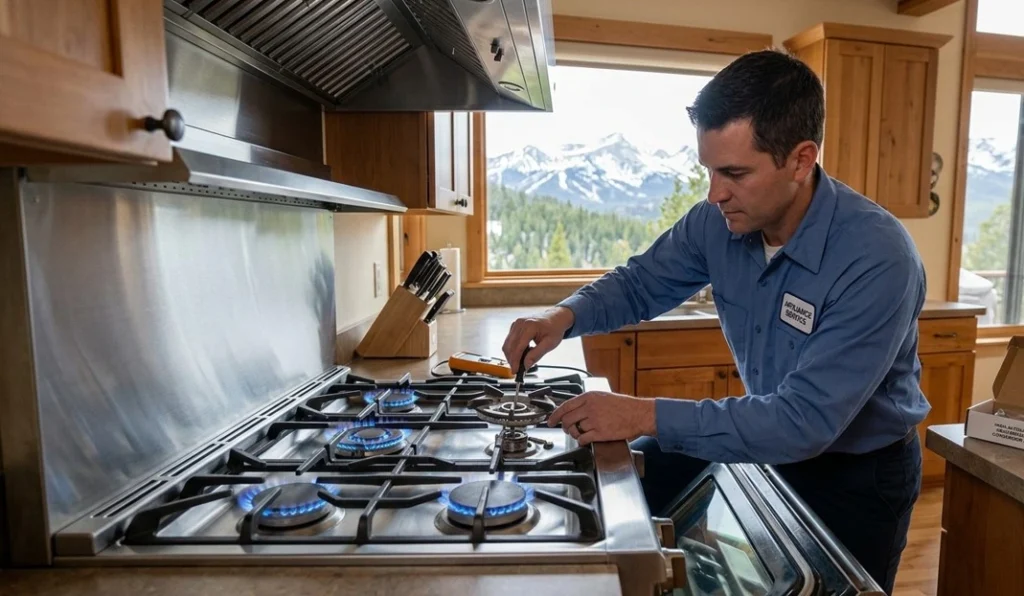
Weak or yellow tipped flames, slow ignition, or uneven oven temperatures are worth addressing before the holiday cooking season adds extra demand on the appliance. Combustion efficiency issues are also more noticeable in cold weather, so catching this now avoids a range that struggles right when you’re relying on it most. Our oven, range, and stove repair team routinely checks burner performance and ignition strength as part of a fall inspection.
5. Check Dishwasher Water Supply Lines
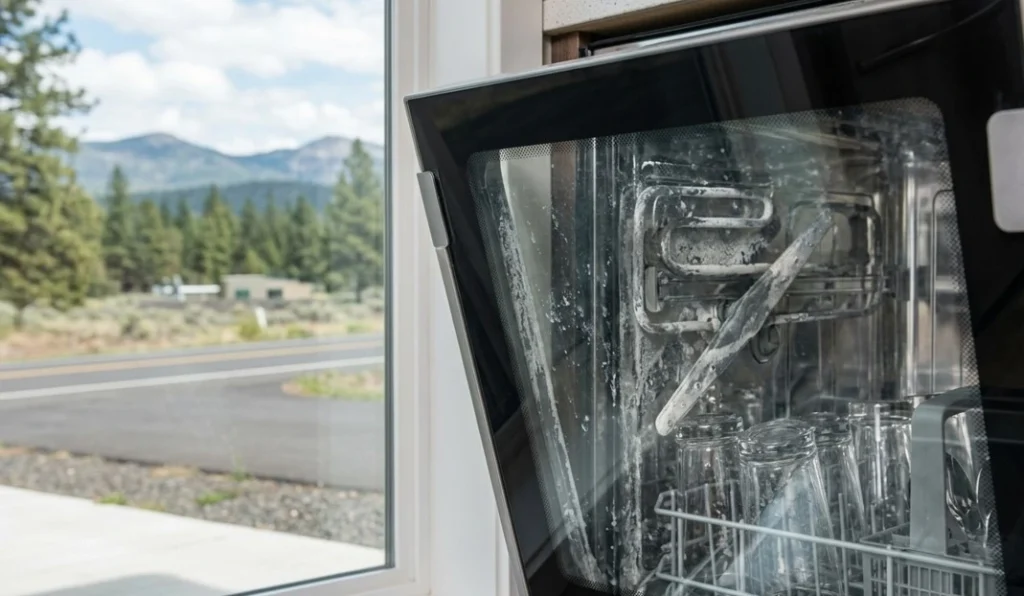
If the dishwasher’s water line runs through an unheated space, even briefly, confirm it’s properly insulated before winter. A frozen supply line can prevent the dishwasher from filling correctly or cause it to skip cycles entirely. Our dishwasher repair page covers how to tell whether a fill or cleaning issue is related to a water supply problem.
6. Insulate Exposed Pipes and Appliance Hoses
Pipe insulation is inexpensive and one of the most effective things a homeowner can do before winter. Focus on any exposed hoses or supply lines running through a garage, crawl space, or along an exterior wall, since these are the sections most likely to freeze during a cold snap.
7. Prepare for Possible Power Outages
Since winter storms are the leading cause of local outages, it’s worth confirming that sensitive appliances, particularly refrigerators and anything with a digital control board, are protected by a surge protector before storm season begins. Knowing in advance that unplugging appliances during an active outage with flickering power can prevent surge damage is a simple step that costs nothing and can save a compressor or control board.
8. Check Ice Maker and Water Dispenser Lines
Confirm the thin water line feeding an ice maker or dispenser isn’t running through an exposed or unheated space. These lines are easy to overlook and among the first things to freeze once temperatures drop, often showing up as slowed ice production before a full freeze occurs.
A Simple Timeline for Getting This Done
Early fall, around September or October, is the ideal window to work through this checklist, since it gives enough time to schedule repairs before the first hard freeze without the added pressure of an emergency service call during a storm. Waiting until temperatures have already dropped significantly narrows your options and often means dealing with a problem after damage has already occurred rather than preventing it.
Frequently Asked Questions
How far in advance of winter should I complete this checklist?
Early fall, ideally September or October, gives enough time to schedule any needed repairs before Klamath County’s coldest weather typically arrives in December and January.
What’s the single most common winter appliance failure in Klamath County?
Frozen and cracked washing machine hoses are among the most frequent issues technicians see, largely because they’re easy to overlook until a leak appears once the ice thaws.
Do I need to winterize appliances if they’re inside a heated home?
Appliances in consistently heated living spaces face much lower risk, but anything in a garage, basement, or along an exterior wall still deserves a check, since those areas rarely stay as warm as the rest of the house during a hard freeze.
Is it worth scheduling a professional inspection, or can this checklist be done alone?
Many of these checks, like inspecting hoses or cleaning coils, can be done without a technician. However, a professional inspection can catch less obvious issues, like a weakening valve or a combustion problem in a gas range, before they turn into a mid winter breakdown.
If you’d rather have a technician handle this checklist for you, our team can inspect the appliances most at risk in your home and address any issues before the season’s first freeze. Contact us to schedule a pre winter inspection.
Sources: Klamath County Winter Storms Preparedness Guide, National Fire Protection Association, Dryer Vent Fire Safety, U.S. Department of Energy, Prepare Your Home for Winter, Pacific Power Oregon Weather Related Outage Updates